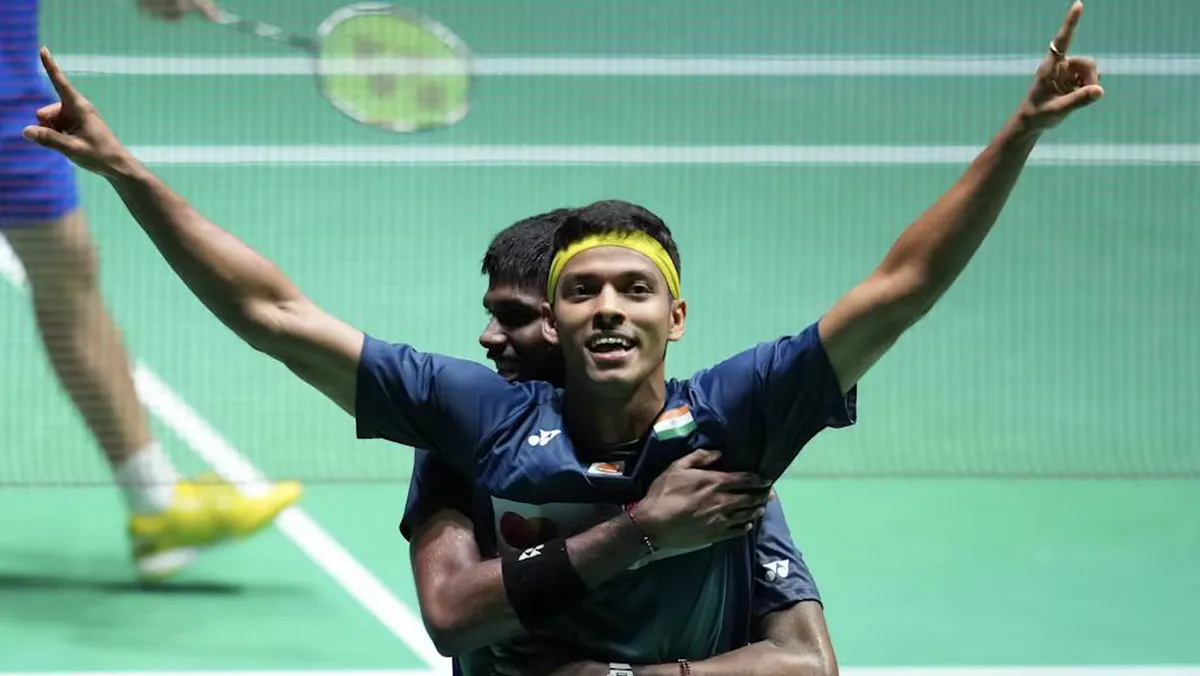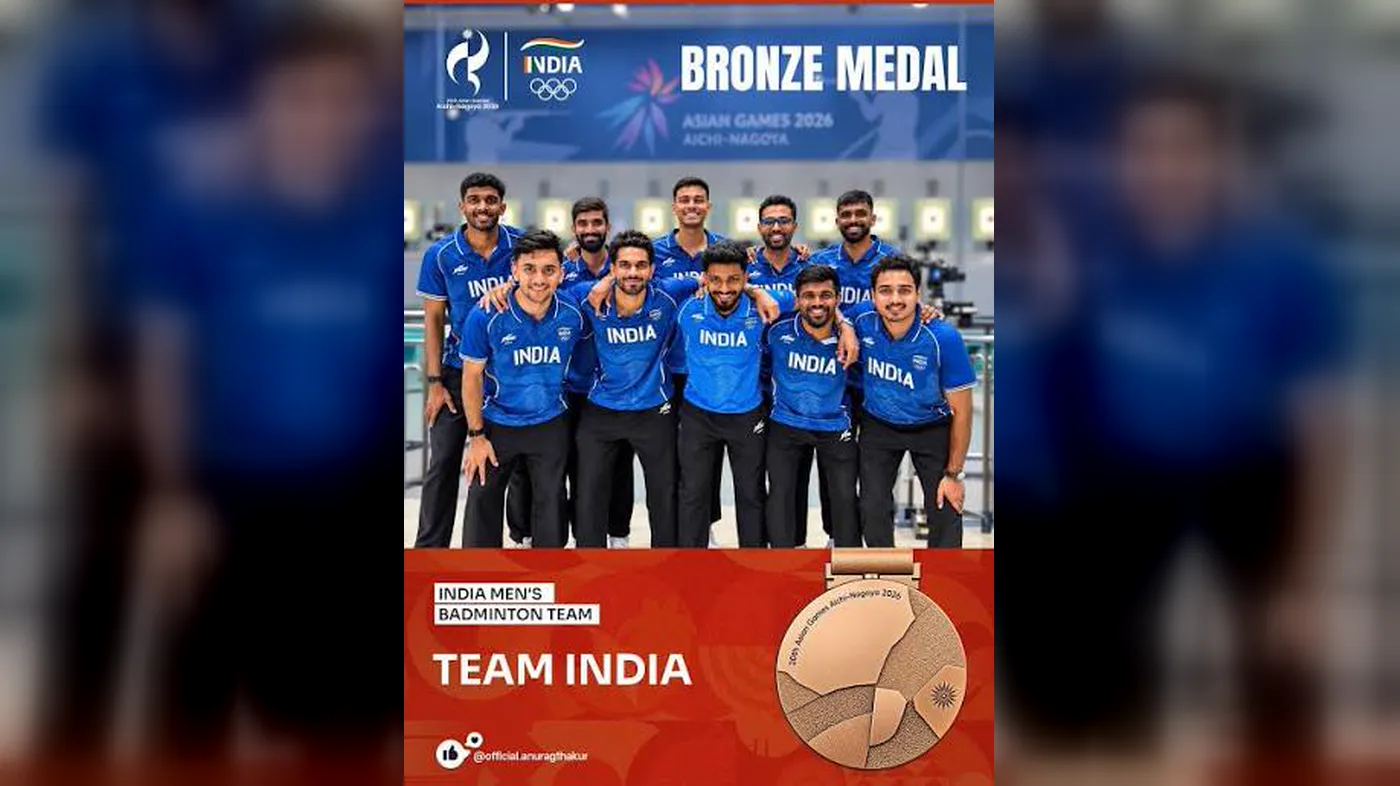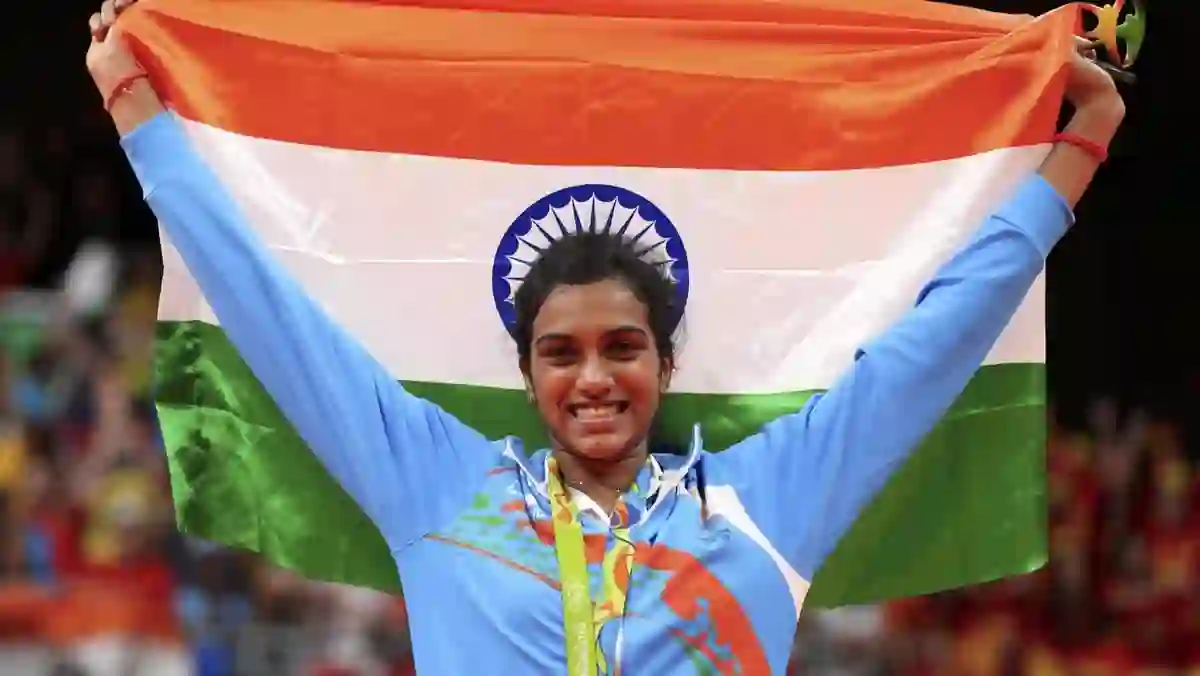
At the Asian Games in Aichi, five Indian defeats came after India had already won a game. Not five close losses. Five matches where an Indian player or pair was a game up, or took a game off a higher-ranked opponent, and then lost the third. Two weeks later in Vantaa, PV Sindhu did it again.
One of those is bad luck. Five in a week, across singles and both doubles disciplines, is a pattern, and it is a more useful thing to look at than the medal table.
| Match | Opponent | Score |
|---|---|---|
| Satwik and Chirag, men’s doubles R32 | Teeraratsakul and Sukphun | 21-12, 19-21, 14-21 |
| Ayush Shetty, men’s singles R16 | Chou Tien-chen | 16-21, 21-19, 17-21 |
| PV Sindhu, women’s singles QF | Chen Yufei | 11-21, 21-18, 10-21 |
| Unnati Hooda, women’s singles QF | Akane Yamaguchi | 16-21, 21-14, 17-21 |
| Kapila and Crasto, mixed doubles QF | Feng Yanzhe and Huang Dongping | 14-21, 21-18, 18-21 |
Look at the second game, then the third
In four of those five, the Indian side won the middle game convincingly and then lost the decider by a clear margin. Sindhu took the second 21-18 off Chen Yufei and lost the third 10-21. Unnati won hers 21-14 against Akane Yamaguchi and lost 17-21. That shape - a strong second, a weak third - is not what losing narrowly looks like. It is what running out looks like.
Satwik and Chirag are the clearest case because they were not the underdogs. Defending the title they won in Hangzhou, seeded fourth, a month after taking the China Masters, they led the first game 11-5 and won it 21-12. Then 19-21 and 14-21, out in the round of 32, in 68 minutes.
It was not just one week
Sindhu went out of the Arctic Open in Vantaa this month in the quarter-finals, in three games, to world No. 5 Ratchanok Intanon. Same round, same shape, three weeks later. Whatever is going on, it did not stay in Japan - and she meets the top seed in round one at the Denmark Open.
What a lost decider actually measures
A third game is played by a different athlete from the one who started the match. Legs are 40 to 60 minutes older, and the things that go first are not the things people watch. Court coverage shrinks before the smash slows down. The split step gets later. Recovery to base after a lift stops being automatic, so the next shot is taken half a step out of position, and a rally that was winnable becomes a rally that is survivable.
None of that shows up in the scoreline, which is why "lost the third" gets written off as nerve or fitness and left there. Both are measurable. The distance a player covers per rally, how that distance changes between game one and game three, how long the rallies run and whether shot selection narrows under fatigue - those are numbers, not impressions, and they are the difference between knowing you faded and knowing where.
The counter-example
It cuts both ways, and India had the best example of that in the same week. In the team quarter-final against Japan, Lakshya Sen lost the first game to Kodai Naraoka 11-21, won the second 21-5, and was 8-14 down in the third. He levelled at 19-19 and won it 21-19. Same tournament, same conditions, opposite ending.
What to look at in your own third games
- Compare your court coverage in game one against game three. A drop of more than a tenth is a fitness problem, not a tactics problem.
- Count how many rallies you end in the forecourt late on. Players who are tiring stop coming forward.
- Watch your split step on video with the sound off. It gets late before it disappears.
- Check whether your shot variety narrows. Fatigue shows up as repetition long before it shows up as errors.
How many Indian matches at the Asian Games 2026 went to a third game?
Five defeats went to a decider after India had won a game: Satwik and Chirag, Ayush Shetty, PV Sindhu, Unnati Hooda, and Kapila and Crasto.
Is losing the third game a fitness problem or a mental one?
Usually both, and they are hard to separate by watching. The useful split is measurable: if court coverage and rally length fall away between game one and game three, it is conditioning. If they hold and errors climb, it is decision-making under pressure.
Did any Indian win from behind in Aichi?
Yes. Lakshya Sen lost the first game 11-21 to Kodai Naraoka in the team quarter-final, won the second 21-5, and came from 8-14 down to take the decider 21-19.
What should a club player measure in a long match?
Distance covered per rally in the first game against the last, rally length, how often you finish at the net late in a match, and whether your shot selection narrows as you tire.
Scores as reported by BWF and Indian press at the time of each match. Kreeda is not affiliated with the BWF, the OCA or BAI.