The Last 21-Point Worlds: What Badminton’s Switch to 3×15 Actually Changes
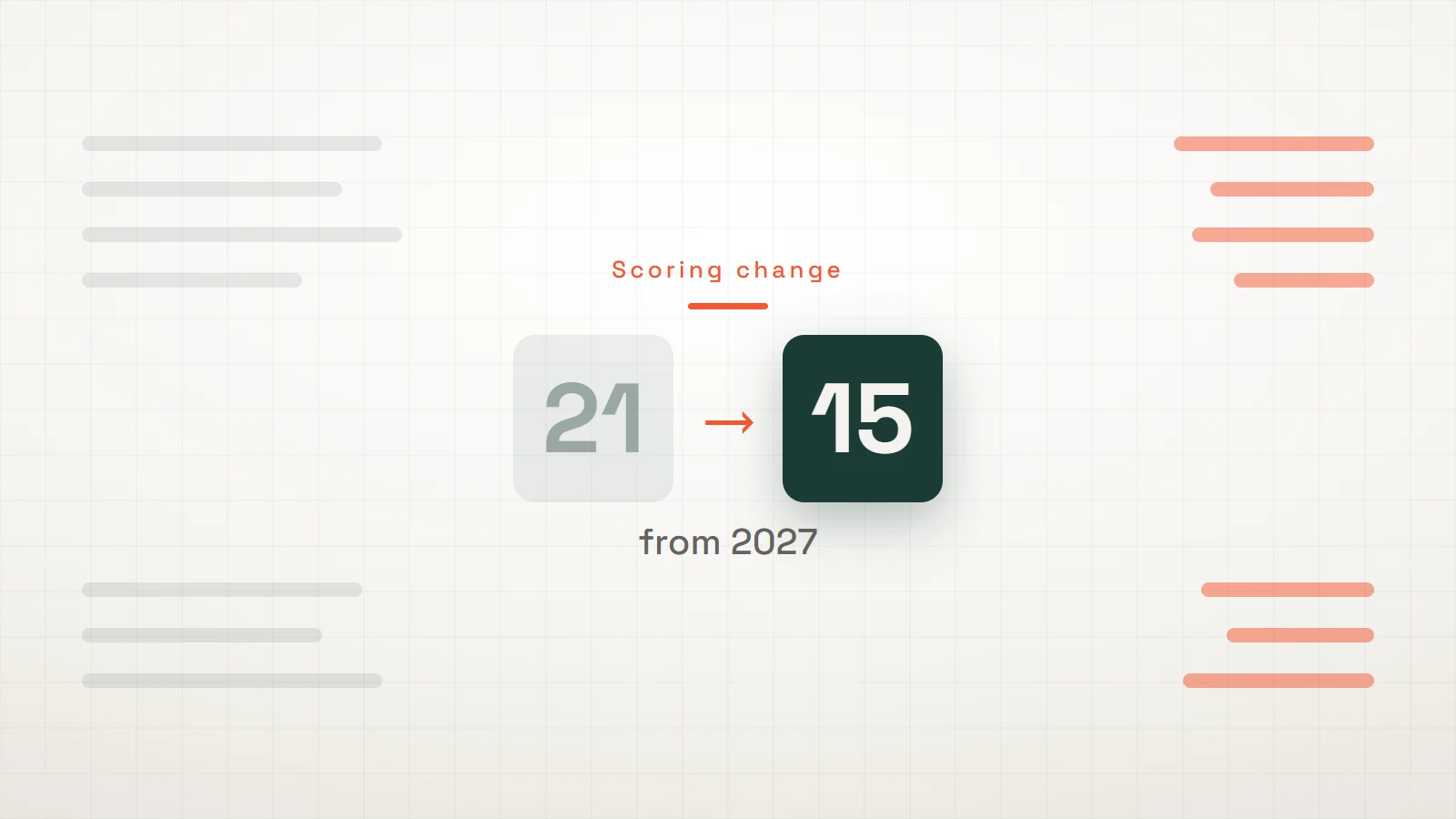
Badminton is changing how it keeps score. At its Annual General Meeting in Horsens in April 2026, the BWF voted to adopt a best-of-three-games-to-15 format, effective 4 January 2027. That makes the World Championships in New Delhi this week the last edition ever contested under the 21-point system.
Almost every preview of this tournament is leading with the fact that India has not hosted the Worlds since 2009. That is a good story. This is the bigger one, and it will still matter in five years.
What is actually changing
Current (from 2006)
From January 2027
Game target
21 points
15 points
Format
Best of three games
Best of three games
Setting
At 20–20, play to a two-point lead, cap 30
At 14–14, play to a two-point lead, cap 21
Rally scoring
Yes
Yes
The structure is unchanged - still rally scoring, still best of three. What changes is the length of each game, and every consequence flows from that one number.
Why the BWF wants it
The stated case is broadcast predictability. A three-game match under 21-point scoring can run past 90 minutes, which is difficult to schedule around and difficult to sell to television. Shorter games mean tighter, more forecastable session lengths, and a match that is easier to place in a fixed broadcast window.
This is not a new argument. The BWF has tried to shorten matches before - a five-games-to-11 proposal was rejected in 2018 - and the 21-point rally-scoring system itself replaced the old 15-point service-scoring format in 2006 for much the same reasons.
What shortens with the game
A six-point reduction sounds modest. It is not, because several things in badminton scale with the number of rallies available rather than with the score itself.
Error tolerance collapses
In a game to 21, a run of three unforced errors is a bad patch you have most of a game to recover from. In a game to 15, the same three points are a fifth of the target. The margin for a slow start effectively disappears - and the players who benefit are the ones who start fast rather than the ones who solve a problem over 40 rallies.
Comeback windows narrow
The classic badminton comeback - going down 11–16 and grinding back through length and patience - needs rallies to exist in. Cut the game and you cut the runway. Expect fewer recoveries from a mid-game deficit, and expect deficits to feel decisive earlier than they used to.
The serve gets more valuable
Under rally scoring every serve is a scoring opportunity, but the proportional weight of each one rises as the target falls. In doubles especially, where the serve and the third shot are already the most rehearsed sequence in the sport, a tighter game raises the return on winning the first three shots of a rally.
Attrition strategies get weaker
Players who win by outlasting opponents - extending rallies, raising the physical cost, cashing in during the third game - rely on accumulated fatigue. Shorter games mean less accumulation. The trade runs toward players who can end rallies early and away from players who win by wearing opponents down.
What the data says about rally length
This is measurable rather than speculative, and it is the part we find most interesting. Rally length, shot mix and error timing are all things that can be counted - and the way they redistribute inside a shorter game is the clearest signal of whether the change does what the BWF hopes.
Across the club-level matches Kreeda analyses, the pattern that shows up most consistently is that error rate is not flat across a game. It clusters - early, while players are still settling, and late, under score pressure. A game to 15 removes much of the settled middle phase where players are most stable, leaving proportionally more of the match in the two phases where they are least reliable.
If that holds at elite level, 3×15 will not simply produce shorter matches. It will produce matches with a higher error density, which is a different thing from faster badminton - and worth watching for once the format arrives.
Watching Delhi with this in mind
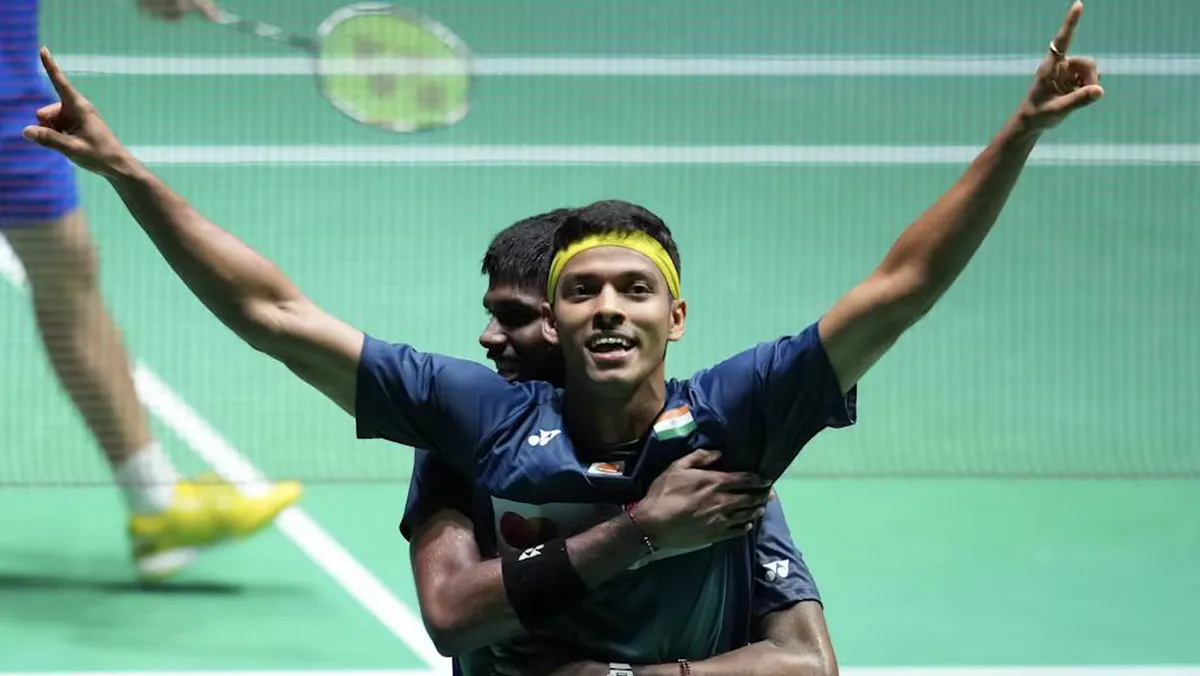
Nothing about the format changes for this tournament. Every match in New Delhi is played to 21. But it is the last time the sport crowns world champions this way, and the matches most worth studying are the ones that would not exist under the new system: the long third games, the recoveries from 8–14, the wins built on patience rather than speed.
The rallies you see in Delhi are the end of an era in how badminton is scored.
Our full guide to the week - schedule, seeds, India’s squad and how to watch - is here.
Kreeda is not affiliated with or endorsed by the Badminton World Federation. Analysis figures cited are drawn from matches uploaded to Kreeda by its own users.